

Winning big: the psychology of casino games
The allure of chance
The thrill of casino games often lies in their unpredictable nature. Players are drawn to the excitement of taking risks, where each spin of the slot machine or roll of the dice can lead to substantial rewards. This allure taps into fundamental aspects of human psychology, including our innate attraction to risk-taking. The anticipation of winning instills a rush of adrenaline, turning an ordinary evening into an electrifying experience. For many, this unpredictability is not just a chance to win money but also a means of escaping the mundane routines of daily life, especially when they explore online casino real money nz and discover thrilling new opportunities.
Moreover, the concept of chance in gambling is deeply rooted in our evolutionary instincts. Historically, humans have been wired for survival, where rewards often followed risks. This innate desire to take chances is reflected in how people engage with games of chance. The hope of winning big can motivate individuals to return to the casino repeatedly, as they chase that exhilarating high. Each game becomes not merely a chance to win, but also a chance to feel alive, engaged, and hopeful, reinforcing their connection to the thrill of the unknown.
The design of casino games further enhances this allure. Game developers leverage an understanding of player psychology and create environments that stimulate excitement. The colors, sounds, and even smells in a casino are meticulously crafted to encourage longer play. These sensory elements are designed to keep players engaged, reinforcing the emotional highs experienced during gameplay. As a result, this creates a cycle of repeated participation driven by the anticipation of winning, making even the prospect of losing seem inconsequential compared to the potential for a big win.
The role of reward systems
Casino games utilize sophisticated reward systems that exploit psychological principles to keep players coming back for more. Variable reinforcement schedules, where rewards are delivered unpredictably, create a powerful psychological effect. When players win intermittently, they experience a rush of dopamine, reinforcing their desire to continue playing. This dopamine release is akin to what one might experience in other addictive behaviors, forming a loop of reward-seeking behavior that can be challenging to break. The anticipation of a reward can become so compelling that it overshadows the reality of losses.
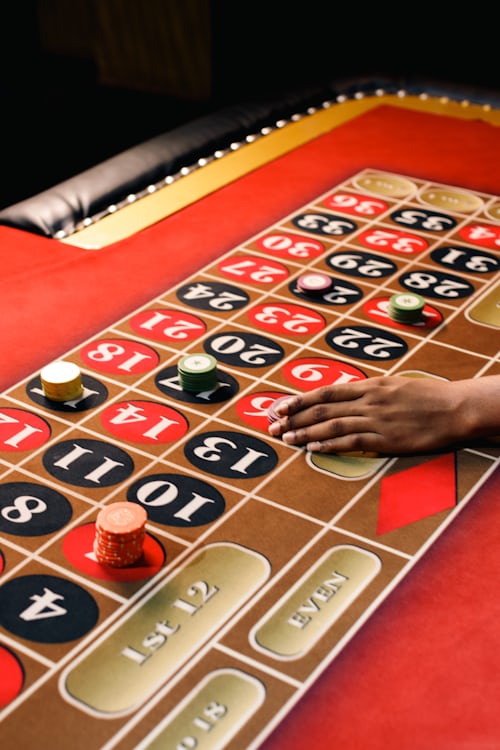
Additionally, players often engage in cognitive biases that enhance their gambling experience. One prevalent belief is the ‘gambler’s fallacy,’ the misconception that past outcomes influence future results. For example, if a player notices that a specific number hasn’t been drawn in a while, they may feel it’s ‘due’ to appear, leading them to place additional bets. This belief can result in a false sense of understanding of chance, ultimately reinforcing their engagement with the game and driving them to spend more time and money in hopes of a win. Understanding these biases helps to illuminate why players may continue to gamble despite losses.
Furthermore, casinos employ loyalty programs and bonuses as part of their reward systems, tapping into players’ desires for recognition and achievement. These programs provide incentives that encourage additional spending, intertwining the emotional investment of players with tangible rewards. By understanding the psychological underpinnings of these behaviors, casinos skillfully manipulate player psychology to maximize profits while also fostering a sense of community among players. This approach creates an environment where players feel valued and connected, further enhancing their gaming experience.
The impact of social dynamics
The social environment of a casino significantly shapes players’ experiences. Gambling is often perceived as a social activity, where players enjoy camaraderie with those around them. Interactions among players, whether through congratulatory cheers or shared frustrations, enhance the emotional highs associated with gaming. This social aspect amplifies feelings of excitement and belonging, making the gaming experience more enjoyable and compelling for individuals who thrive on social interaction. The collective energy of a casino can transform a solitary game into a shared adventure.
Moreover, the presence of other players can influence individual betting behavior. People often find themselves caught up in the energy of the crowd, leading to riskier decisions than they might make when alone. This phenomenon, known as ‘herd behavior,’ illustrates how social influences can affect personal choices, especially in high-stakes scenarios. The vibrant atmosphere of a casino magnifies this effect, encouraging players to gamble more aggressively as they feed off the excitement of those around them, which can lead to increased betting and spending. The social aspect can serve as both encouragement and pressure to continue playing.
Additionally, the psychological concept of social proof is evident in casinos. When players witness others winning, it creates a perception of credibility and chances of success. This often leads newcomers to believe they too can achieve similar victories despite the underlying odds being stacked against them. The combination of social dynamics and the psychological impact of witnessing others succeed drives players to engage more deeply in gaming activities, often resulting in increased spending and prolonged visits as they seek to replicate the success they observe. The social reinforcement of winning can create a cycle that keeps players returning.
The psychological trap of ‘near misses’
One of the most powerful psychological phenomena in casino gaming is the concept of ‘near misses.’ In games like slot machines, a player may get two out of three winning symbols, creating the illusion of being close to a win. This sensation can be thrilling, igniting a player’s motivation to continue gambling in hopes of achieving that elusive jackpot. Studies have shown that near misses can be more compelling than actual wins, as they create a sense of excitement and drive players to increase their bets, believing that victory is just within reach. This phenomenon connects deeply with human emotions and the desire to succeed.

Near misses can distort a player’s perception of their chances of winning, leading them to feel as if they are on the cusp of a big win. This feeling paradoxically reinforces their gambling behavior, making them more likely to chase that elusive sense of victory. The psychological response to near misses is complex, combining elements of hope and despair, ultimately driving players deeper into the gaming experience. This cycle of chasing near wins can lead to a dangerous relationship with gambling, blurring the lines between excitement and potential financial loss. Understanding this dynamic is crucial for both players and operators.
Furthermore, near misses can create a cycle of gambling that is difficult to escape. As individuals continue to pursue the thrill of a near win, they may overlook the economic reality of their losses. This can lead to greater financial risks, with players rationalizing their behavior by focusing on the excitement of near outcomes rather than the overall negative results. Understanding this psychological trap is crucial for both players and those who manage gambling venues, as it highlights the need for responsible gambling practices and awareness of the psychological impacts of gaming that can lead to problematic behavior. Addressing these patterns is essential for fostering healthier gaming environments.
Understanding responsible gaming
Recognizing the psychological elements that drive casino gaming can pave the way for more responsible gambling practices. The importance of education on the risks associated with gambling cannot be overstated. By increasing awareness of how psychological factors such as reward systems, social dynamics, and cognitive biases influence behavior, individuals can make more informed choices regarding their gaming activities. Responsible gaming initiatives often emphasize the need for self-awareness and personal limits, fostering a healthier relationship with gambling that prioritizes player well-being. This proactive approach can significantly reduce the incidence of problem gambling.
Moreover, resources and support systems are essential in promoting responsible gaming. Many casinos and gaming establishments have begun implementing programs to assist players in managing their gambling habits. This includes providing self-exclusion options, access to counseling, and inviting discussions around responsible gambling practices. By addressing the psychological drivers of gaming behavior, these initiatives can significantly reduce the incidence of problem gambling, helping players engage with gaming in a safe, controlled manner. Creating an environment that encourages responsible gaming can benefit both players and the industry.
The shift towards a more responsible gaming culture also highlights the role of the gaming industry in promoting healthy habits. By recognizing their influence on player behavior and taking proactive steps to educate patrons, casinos can create a safer environment for everyone. Ultimately, understanding the psychology behind casino games not only benefits players by encouraging informed choices but also helps the industry foster a sustainable gaming atmosphere that prioritizes player well-being and promotes responsible gambling practices. This commitment can lead to a more positive perception of gambling in society.